
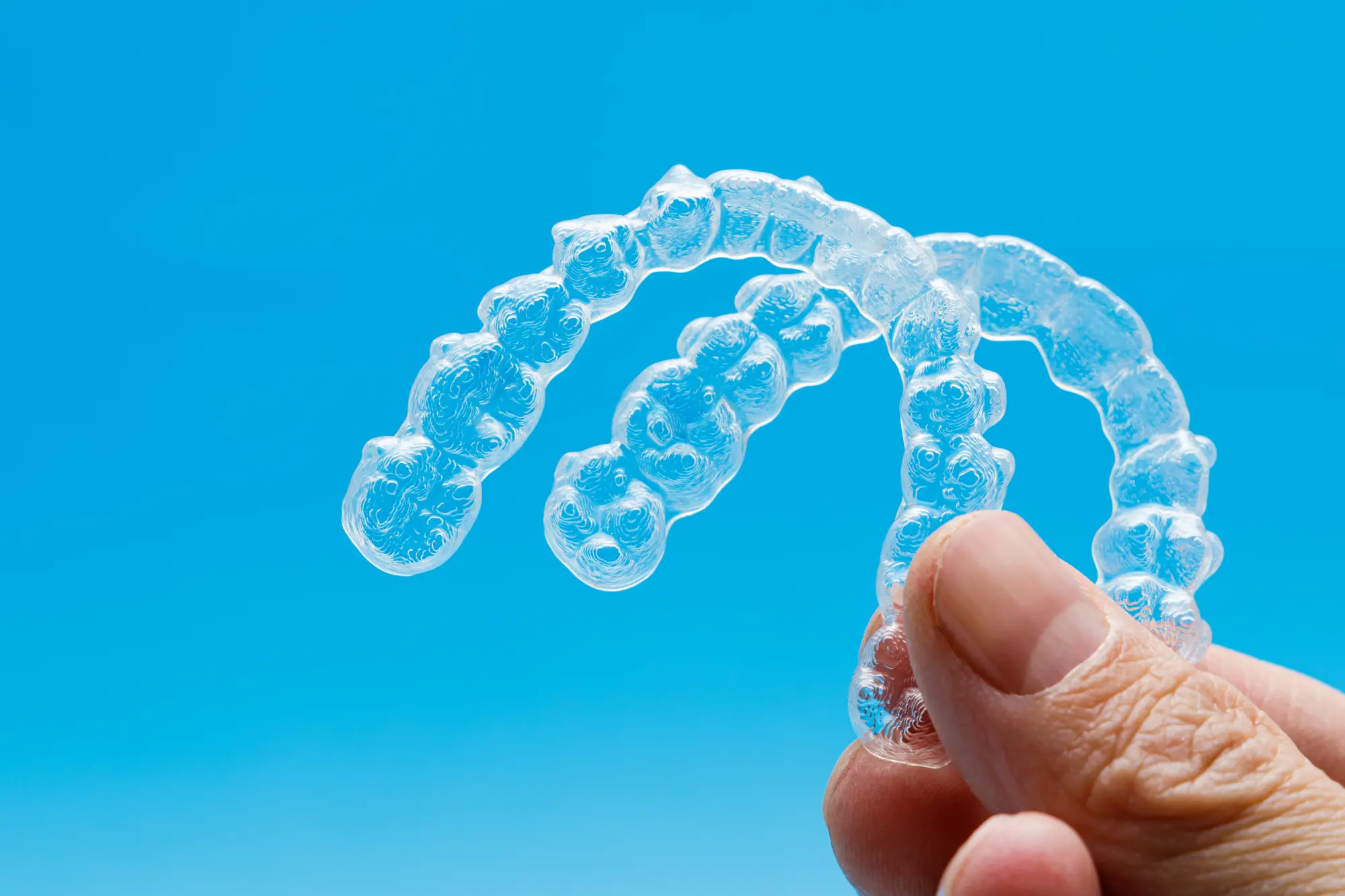
Is Invisalign Out of Pocket? What Insurance Actually Covers for Clear Aligners
Invisalign is not automatically an out-of-pocket expense. Many dental insurance plans include an orthodontic benefit, and that benefit typically applies to clear aligners the same way it applies to traditional braces. Whether you pay entirely out of pocket depends on your specific plan, your remaining orthodontic maximum, and whether you're an adult or a teen, not on Invisalign being labeled "cosmetic." At Agape Smile Spa, we accept most major insurance plans and verify your benefits at your consultation so you know exactly where you stand before you commit to treatment. Coverage varies significantly from plan to plan, which is why a benefits check is the only reliable way to know your real cost.
Check Your Coverage
Does Dental Insurance Cover Invisalign?
Yes, in many cases. Most dental insurance plans that cover orthodontic treatment at all will apply that same coverage to Invisalign, because insurers classify clear aligners as an orthodontic treatment, not a cosmetic one.
The confusion usually comes from a mismatch in categories. Patients often assume Invisalign falls under a "cosmetic" exclusion because it's marketed as a discreet, modern alternative to metal braces. But from an insurance standpoint, what matters is the underlying diagnosis: tooth movement to correct alignment or bite issues, not the appearance of the appliance doing the moving. If your plan has an orthodontic benefit and Invisalign is being used to correct a legitimate orthodontic issue, that benefit generally applies.
This is true whether patients are searching for whether insurance covers Invisalign, whether clear aligners are covered the same as braces, or whether Invisalign falls under dental or medical insurance. The short answer across all of these: it's typically a dental insurance question, and it lives under your orthodontic benefit, not a cosmetic exclusion.
How Orthodontic Coverage Actually Works
Orthodontic coverage works differently than coverage for fillings or cleanings, and understanding the mechanics helps explain why two people with "dental insurance" can have very different experiences paying for Invisalign.
Most plans that include orthodontic coverage apply it toward a lifetime orthodontic maximum: a single, capped benefit amount that applies once per person, ever, rather than resetting every year like your general dental benefit does. If you or a family member has used part or all of that lifetime maximum on previous orthodontic treatment (including as a teenager), that affects what's left available for Invisalign now.
Some plans also apply a waiting period before orthodontic benefits kick in, particularly if the plan was purchased or upgraded recently. And not every dental plan includes orthodontic coverage at all. It's often an add-on rider rather than a standard feature, especially on adult plans.
This is also where the myth that "Invisalign isn't covered for adults" comes from. Age itself isn't usually the disqualifying factor. Many plans do cover adult orthodontic treatment. The bigger variables are whether your plan includes an orthodontic rider in the first place, and how much of your lifetime maximum remains.
Using HSA and FSA Funds for Clear Aligners
If your insurance coverage doesn't fully offset the cost, Health Savings Account and Flexible Spending Account funds are typically an eligible way to cover the remainder. Clear aligners are generally classified as a qualified medical expense because they treat a diagnosed orthodontic condition, which means HSA and FSA dollars can usually be applied directly to treatment.
This is one of the more useful things to understand early: HSA/FSA funds and insurance coverage aren't either-or. They can stack. Insurance may cover a portion under your orthodontic benefit, and HSA or FSA funds can be used for what's left, reducing what actually comes out of your take-home pay.
For patients whose plans don't include orthodontic coverage at all, or who've exhausted their lifetime maximum, an in-house membership plan or monthly payment option is a third path worth asking about at your consultation. These aren't insurance, but they spread cost over time rather than requiring a single lump payment.
Is Invisalign Cosmetic or Medically Necessary?
This is the pivot point that determines coverage, so it's worth addressing directly: Invisalign is generally treated as a functional, medically-oriented treatment rather than a purely cosmetic one, when it's correcting a diagnosed bite or alignment issue.
The term "malocclusion" is the clinical word for a bite that doesn't align correctly: teeth that are crowded, spaced too far apart, or a jaw relationship that's off (overbite, underbite, crossbite). When Invisalign is prescribed to correct malocclusion, it's addressing a functional problem, not just an aesthetic preference. That distinction is exactly what allows many insurance plans to apply orthodontic coverage to it.
Straight teeth are often a visible result of treatment, but they're rarely the only reason a dentist or orthodontist recommends aligners. The driving factor is usually a bite or spacing issue that has functional consequences, which is also why coverage discussions should start with a diagnosis, not with the word "Invisalign" itself.
What Clear Aligners Can Correct Beyond Straightness
Clear aligners are commonly used to treat a range of issues beyond simply making teeth look straighter:
- Crowding: teeth that overlap or don't have enough room, which can trap plaque and make cleaning difficult
- Spacing and gaps: wider-than-normal gaps between teeth, which can affect chewing efficiency and gum exposure
- Overbite: when upper teeth extend too far over the lower teeth
- Underbite: when the lower jaw extends past the upper teeth
- Crossbite: when upper and lower teeth don't align correctly when biting down
Correcting these issues often has downstream benefits that go beyond appearance. Straighter, better-spaced teeth are easier to clean thoroughly, which supports healthier gums over time. Crooked or crowded teeth create more surfaces where plaque can hide from a toothbrush. Evening out a misaligned bite can also lead to more even wear across the teeth and can reduce strain on the jaw joint in some patients, since an uneven bite forces certain teeth and jaw muscles to compensate.
These functional outcomes are part of why many plans treat this as an orthodontic benefit question rather than a cosmetic one.
Clear Aligners vs. Braces: Cost and Coverage
Clear aligners and traditional braces are usually treated as equivalent options from a coverage standpoint. Both typically draw from the same orthodontic benefit and lifetime maximum, rather than being categorized separately.
Where they can differ is in overall treatment cost, which varies case by case depending on the complexity of the movement needed, the length of treatment, and the provider's fees. Neither option is universally cheaper than the other. A straightforward case may cost similarly either way, while more complex cases can shift the comparison. Clear aligners aren't automatically the better financial choice for every patient, even though they're often the more discreet option. The right fit depends on the specific bite issue being corrected, and that's a conversation worth having directly with your provider rather than assuming based on marketing.
Frequently Asked Questions
Does dental insurance cover Invisalign?
Often, yes. If your dental plan includes an orthodontic benefit, it typically applies to Invisalign the same way it applies to braces, since both are classified as orthodontic treatment rather than cosmetic.
How much is Invisalign out of pocket?
This depends entirely on your specific plan, your remaining lifetime orthodontic maximum, and your individual case. There's no fixed number. A benefits verification at consultation is the only accurate way to find out your specific cost.
Is Invisalign considered cosmetic?
Not typically, when it's prescribed to correct a diagnosed issue like crowding, spacing, or a misaligned bite. Insurers generally look at the underlying orthodontic diagnosis rather than the type of appliance used to treat it.
Can I use HSA or FSA money for clear aligners?
Yes, in most cases. Clear aligners are generally considered a qualified medical expense, and HSA or FSA funds can typically be used alongside any insurance coverage to reduce out-of-pocket cost further.
What problems can clear aligners correct besides crooked teeth?
Clear aligners are commonly used to treat crowding, gaps and spacing issues, overbite, underbite, and crossbite, all of which can have functional effects on cleaning, gum health, bite wear, and jaw strain.
Am I still covered if I had braces as a teenager?
It depends on your plan's lifetime orthodontic maximum. Since this benefit typically applies once per person over a lifetime rather than resetting yearly, previous orthodontic treatment may affect how much benefit remains available now. A benefits check will clarify exactly where you stand.
Find Out What Your Plan Covers
The only way to know your real Invisalign cost is to have your specific plan checked. Agape Smile Spa offers a complimentary consultation with Dr. Andrea Bernhardt that includes a full benefits verification, so you leave knowing what's covered and what isn't, before you decide on anything.
Book Your Consultation
Learn more about our Invisalign Clear Aligners treatment or explore our full Cosmetic Dentistry services.
Related Posts
Is Invisalign Out of Pocket? What Insurance Actually Covers for Clear Aligners
Why Silverado Canyon Residents Are Choosing Agapé Smile Spa in Orange, CA

How Periodontal Care Can Protect Your Overall Health
